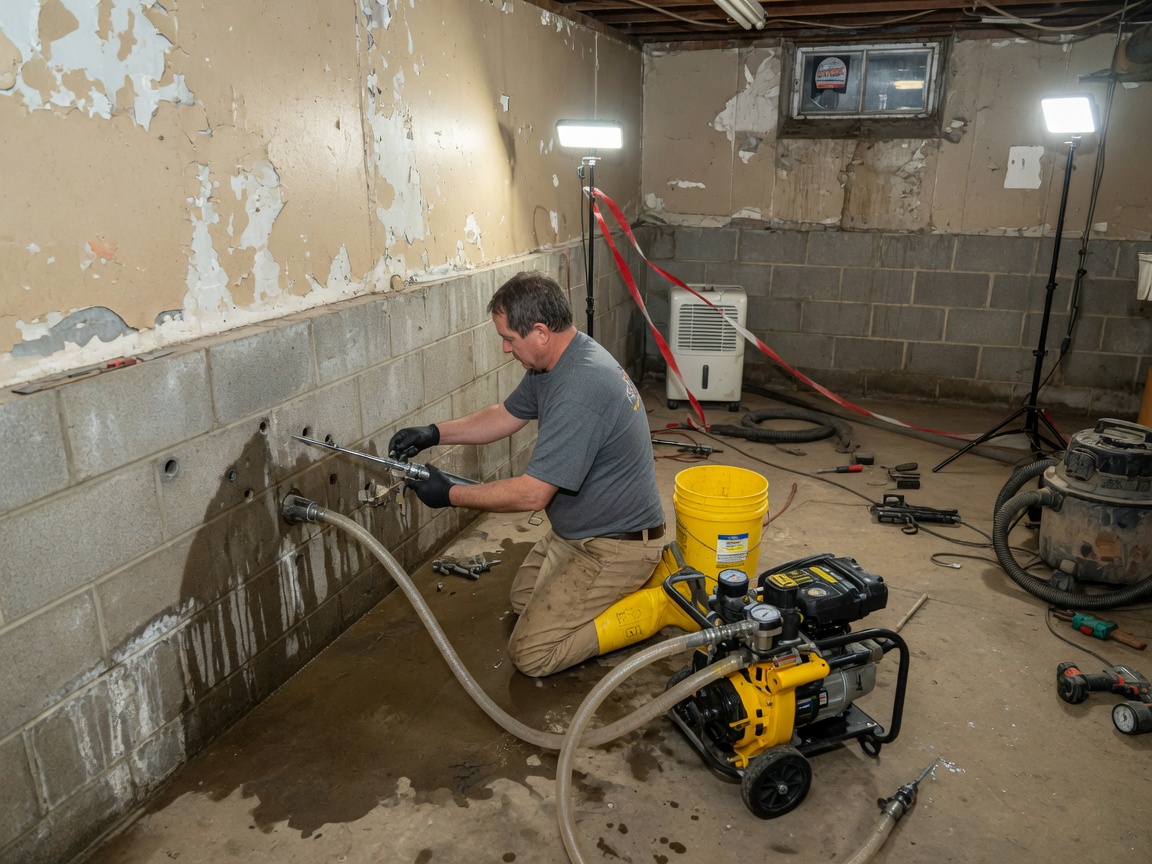
DR Water Restoration responds to water damage calls in Czech Village by heading straight to the older brick and frame homes clustered along 16th Avenue SW and the side streets off the National Czech & Slovak Museum. These early-1900s houses often have stone foundations and low basements that sit close to the Cedar River, so spring rains and rapid snowmelt push water through mortar joints and floor drains faster than in newer subdivisions.
When a pipe bursts or river water backs up during a humid continental storm, crews stage equipment on the narrow lots typical of Czech Village and pull carpet and drywall before mold sets in the cold winter air. Because the neighborhood sits inside Linn County and just minutes from Marion and Iowa City corridors, same-truck response keeps jobs moving without long travel delays.
Flood cleanup here also means dealing with the tight alleys behind the historic storefronts and the occasional sewer surcharge that hits after heavy summer downpours. Owner-operated crews stay on site through the night if needed, running dehumidifiers and monitoring moisture in the thick plaster walls that line many Czech Village properties.
Around Czech Village
We regularly work near:
- 📍National Czech & Slovak Museum & Library
- 📍16th Avenue SW
- 📍Czech Village Historic District
- 📍17th Avenue SW
- 📍Kucera Park
Water Damage Restoration in Czech Village — Local Notes
- •Many Czech Village homes built before 1940 have fieldstone foundations and clay tile drains that crack when the Cedar River rises, requiring targeted extraction along the lower blocks of 16th and 17th Avenues SW.
- •Narrow driveways and shared alleys limit the size of drying equipment that can be brought in, so technicians often set up portable units and monitor them daily rather than leaving large trailers in place.
- •Winter freezes followed by quick thaws send ice-melt water into unsealed basements along the river side of the neighborhood, so restoration focuses on preventing repeat intrusion through sump upgrades and vapor barriers.
- •Historic district rules can affect how quickly exterior vents or dehumidifier exhaust lines may be placed, so crews coordinate placement to avoid visible changes to the streetscape.